The Apple Aesthetic Is Everywhere — Even on The Neighbourhood’s Stage
If you’ve been online at all this year, you’ve probably heard the phrase “2026 is the new 2016” alongside a slew of content drawing back to a simpler time online — one before TikTok existed, terrible filters were accepted, and Instagram stories had just been created.
And that makes sense when you consider that nostalgia as an overall concept is trending. It’s a powerful tool used by brands everywhere to trigger the emotional responses needed to encourage sales as driven by consumer desires for stability, simplicity, and feelings of belonging. That nostalgia-based strategy is behind Vacation’s 80s-themed sun protection products and the return of Hannah Montana and The Devil Wears Prada to screens near you.
Nostalgia-core was at its peak on Saturday when The Neighbourhood kicked off their Wourld Tour after releasing their first studio album in 5 years.
For those who’ve been listening to the band since 2012 when their first hit song “Sweater Weather” was playing on every radio station you could find, there’s no greater nostalgia-bait than this comeback tour. Nostalgia sells across industries, increasing sales up to 23% in some cases. And that’s probably why I didn’t hesitate to buy that concert ticket.
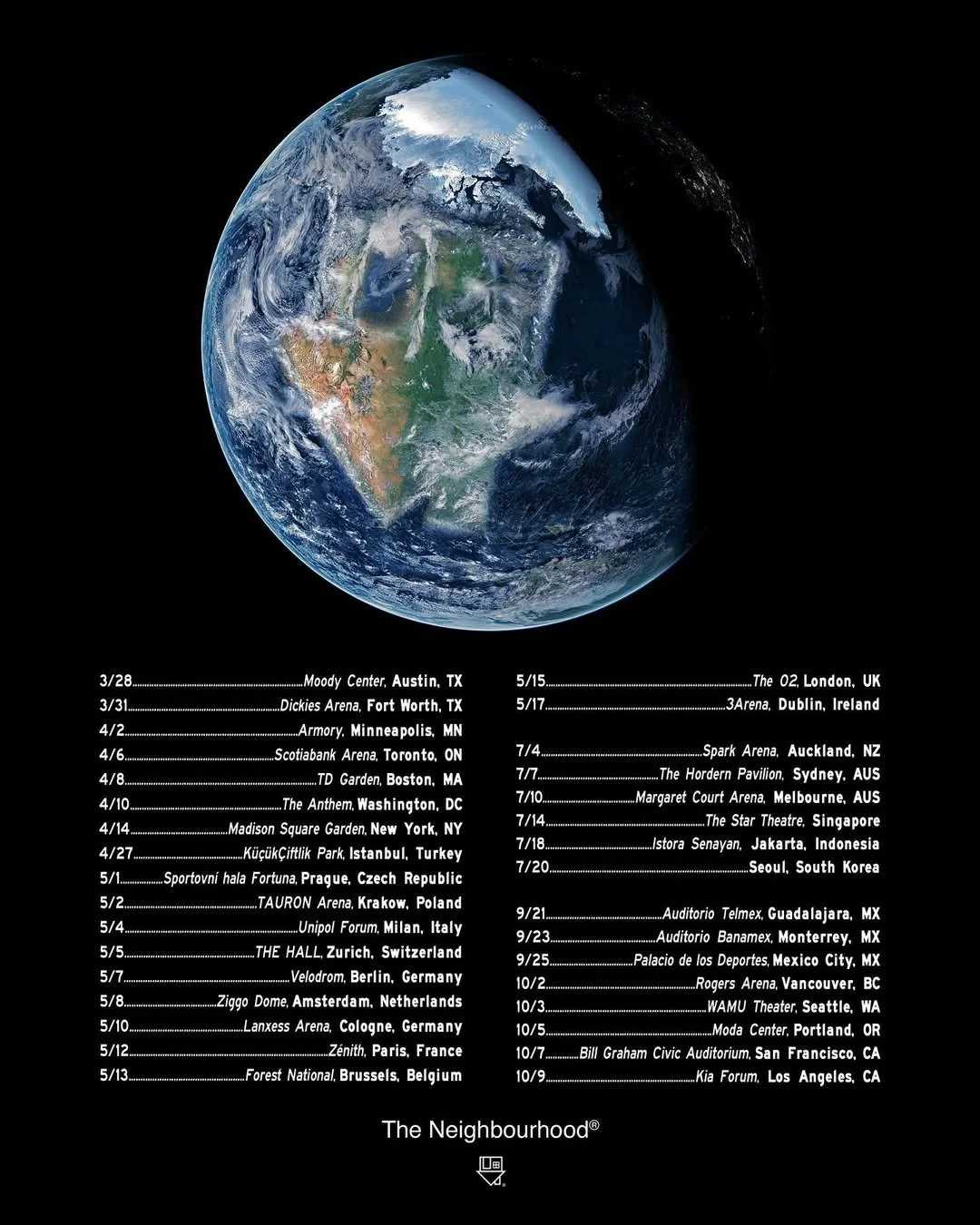
Image Courtesy of The Neighbourhood
While the stage setup was the most minimal of any I’ve seen at The Moody Center, with just one screen behind the band and only some fog and lasers to accentuate the evening, the on-screen visuals alone were strong enough to inspire this entire blog.
They opened their 90-minute show with a visual effect that clearly mimics something we all know even if we admittedly barely use it: Siri.
Soft, neon-like edges pulsed around the on-stage screen, evoking the aesthetic of the digital assistant as a robotic female voice named Iris addressed the crowd to introduce the performance and returned intermittently to tell the city of Austin that they loved them.
While the concert was already making me feel like my 16-year-old self — angsty and hormonal — what really took me back to my childhood was a visual effect they may not have done intentionally.
As they began performing their 2015 hit song, “Cry Baby”, they unlocked a core memory of elder Gen-Z and millennials everywhere raised in the age of Apple. While neon pink, orange, green, and blue squares with dancing black silhouettes may make some think of Andy Warhol, what I saw was a reference to mid-2000s iPod commercials.
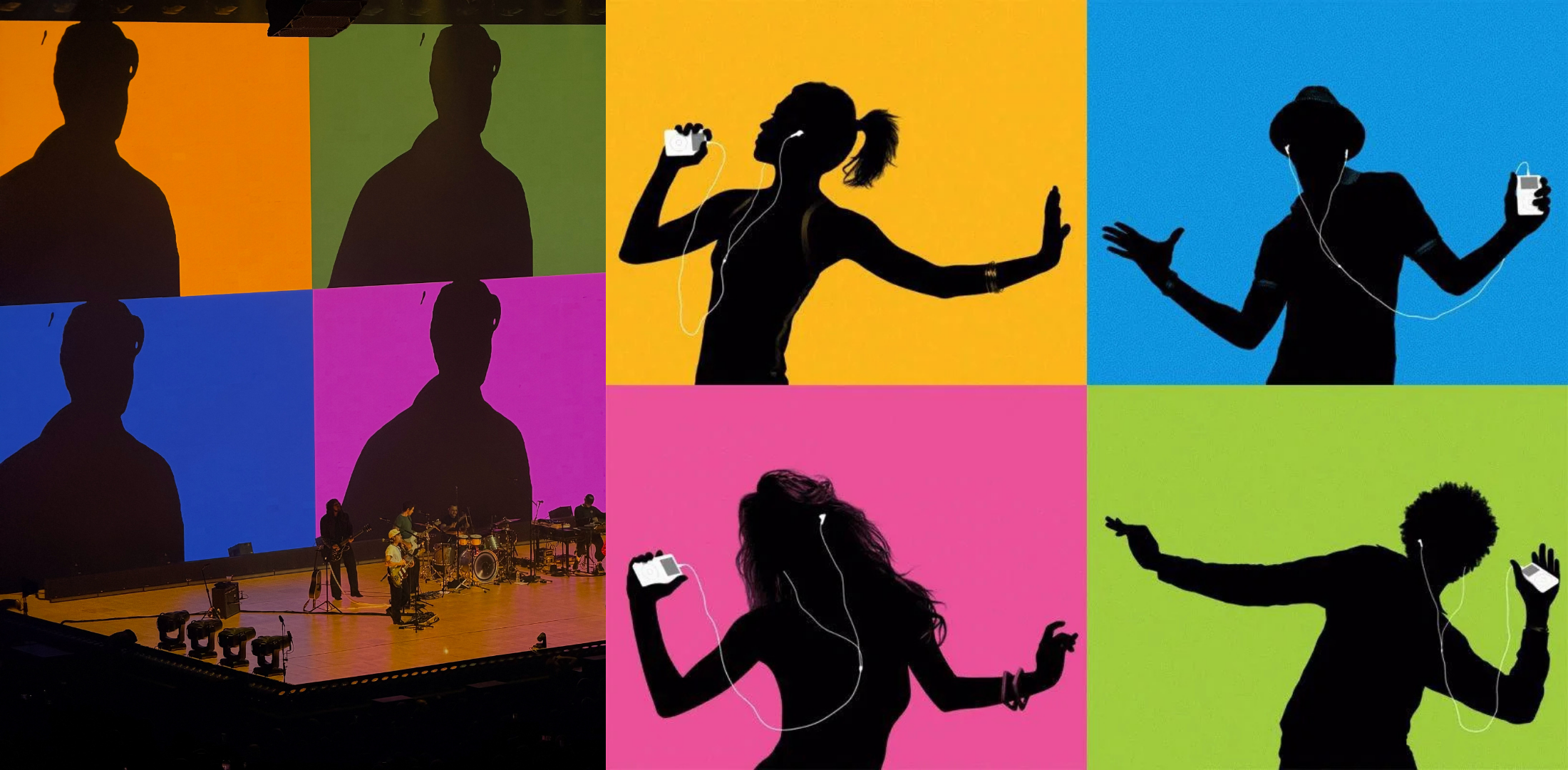
Images courtesy of Apple (via my phone and their marketing)
This was a powerful moment because of what it means.
I recently took a course on global marketing for iconic brands. There are few brands more iconic than Apple, the company that controls 69% of the American smartphone market and whose brand loyalty has been shown in studies to create out-group effects for Android users.
While many think of a brand as just a company, a brand is more than just a trademark or products. A brand is actually defined by the knowledge structures and associations held in consumer memories, and the power of a brand resides in what customers have learned about it over time.
These brand associations include visual aspects like logos, packaging, and advertisements as well as the emotional feelings associated with product usage and consumption.
Apple was cited again and again in that course as a company with high brand equity, a differential effect that brand knowledge has on consumer responses to marketing of the brand. This high level of brand equity is why Apple sells more products than all of its Android competitors put together.
While it’s not clear if these references to Apple, its products, and its marketing by The Neighbourhood’s set team were intentional or not, what is clear is that Apple has reached iconic status. After decades of using their products and consuming their marketing, I can watch a concert and think of an ad I saw 20 years ago. I can look at an album cover and see Apple’s most proprietary and vital product features: their iOS layouts and camera functions.
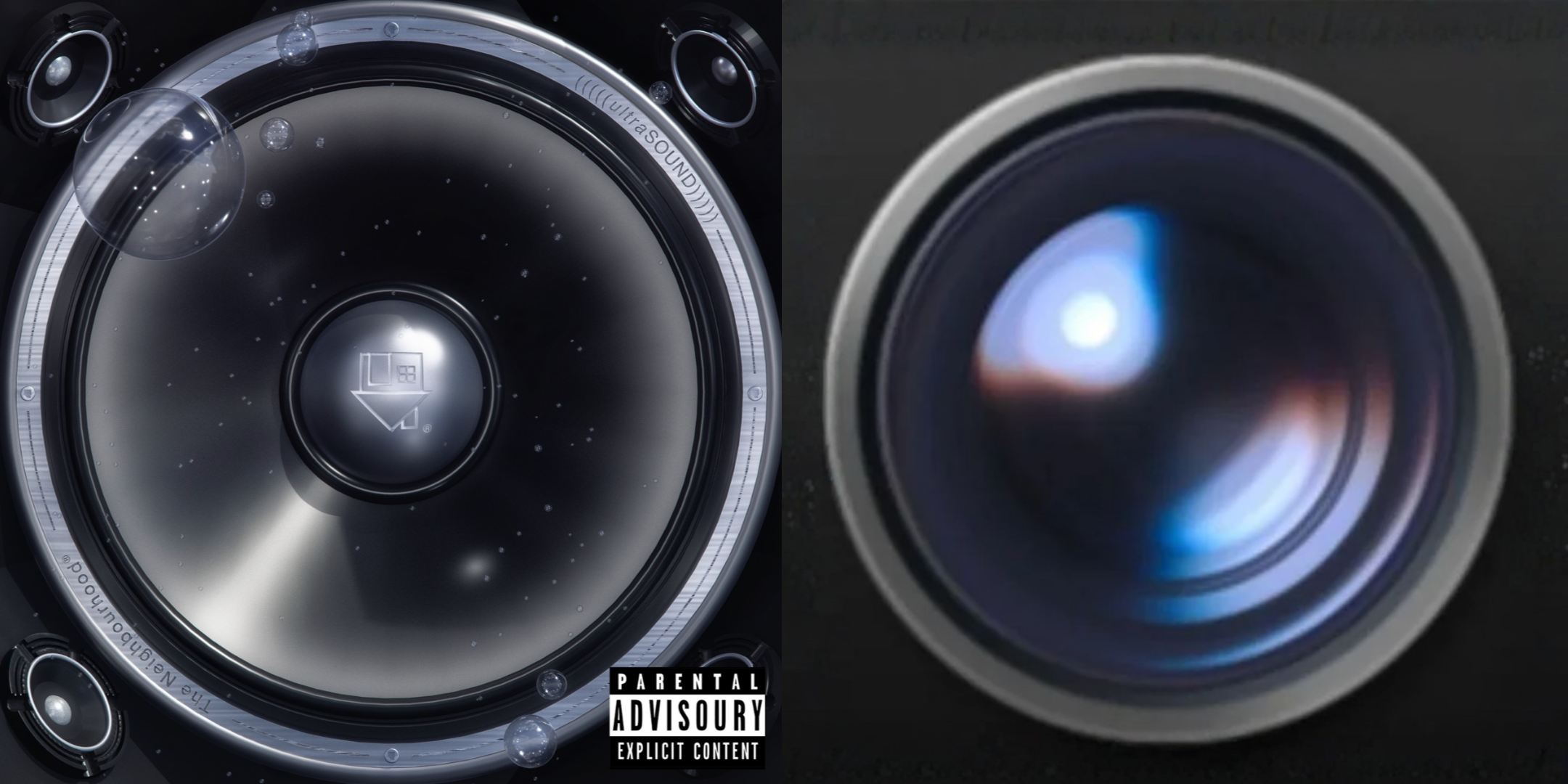
The Neighbourhood’s (((((ultraSOUND))))) album cover side by side with the Apple’s iOS 26 camera icon
What this concert performance showed is that Apple isn’t just an iconic brand with high levels of brand equity, it’s a brand with cultural equity.
Apple turned tech into an aesthetic. In the 2000s and 2010s, people would go to the Apple store just to take Macbook photobooth pictures to post on Facebook. These days, you can often see iOS features inherent to the brand intentionally being incorporated into content creators' posts across platforms.
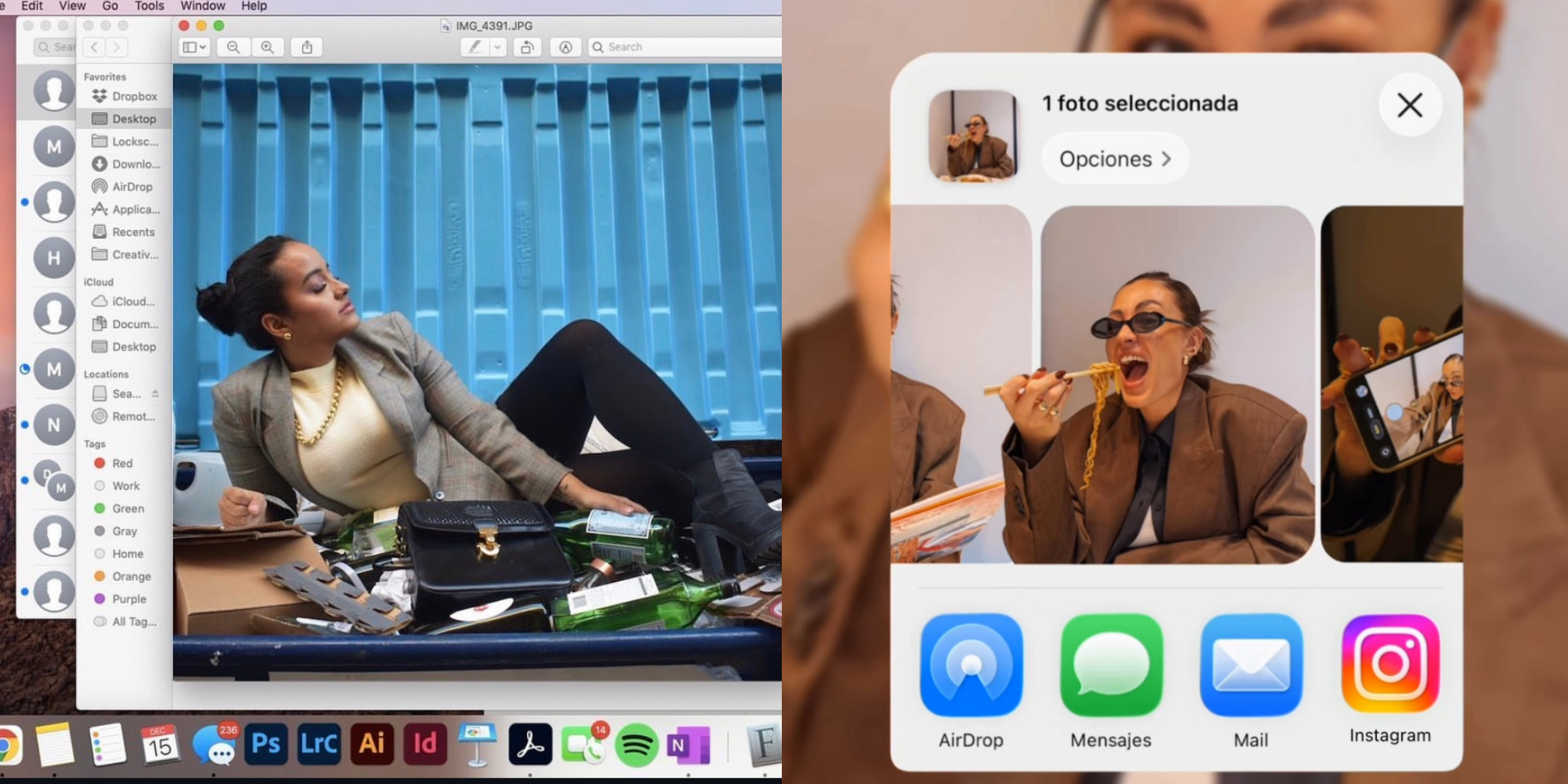
Images courtesy of author’s Instagram (2020) and a collab between @solangeeferreira and Canva (2026)
The Neighbourhood’s (((((ultraSOUND))))) album and concert visuals tap into that cultural language, triggering another level of nostalgia for the band’s fans and adding to the group’s bid to reclaim their iconic status.
As one article on nostalgia marketing noted, “The most effective nostalgia strategies remix the past rather than recreate it.” That’s exactly what happened last weekend when throwback digital aesthetics met a set list spanning a decade of songs with cultural resonance.
Whether it was done intentionally or not, it was a great visual strategy that made for an equally great night. I’m here for the band’s comeback and, like many people, a born and raised Apple devotee.